Special-purpose vehicles.
Built around the job.
Engineering purpose into every vehicle.
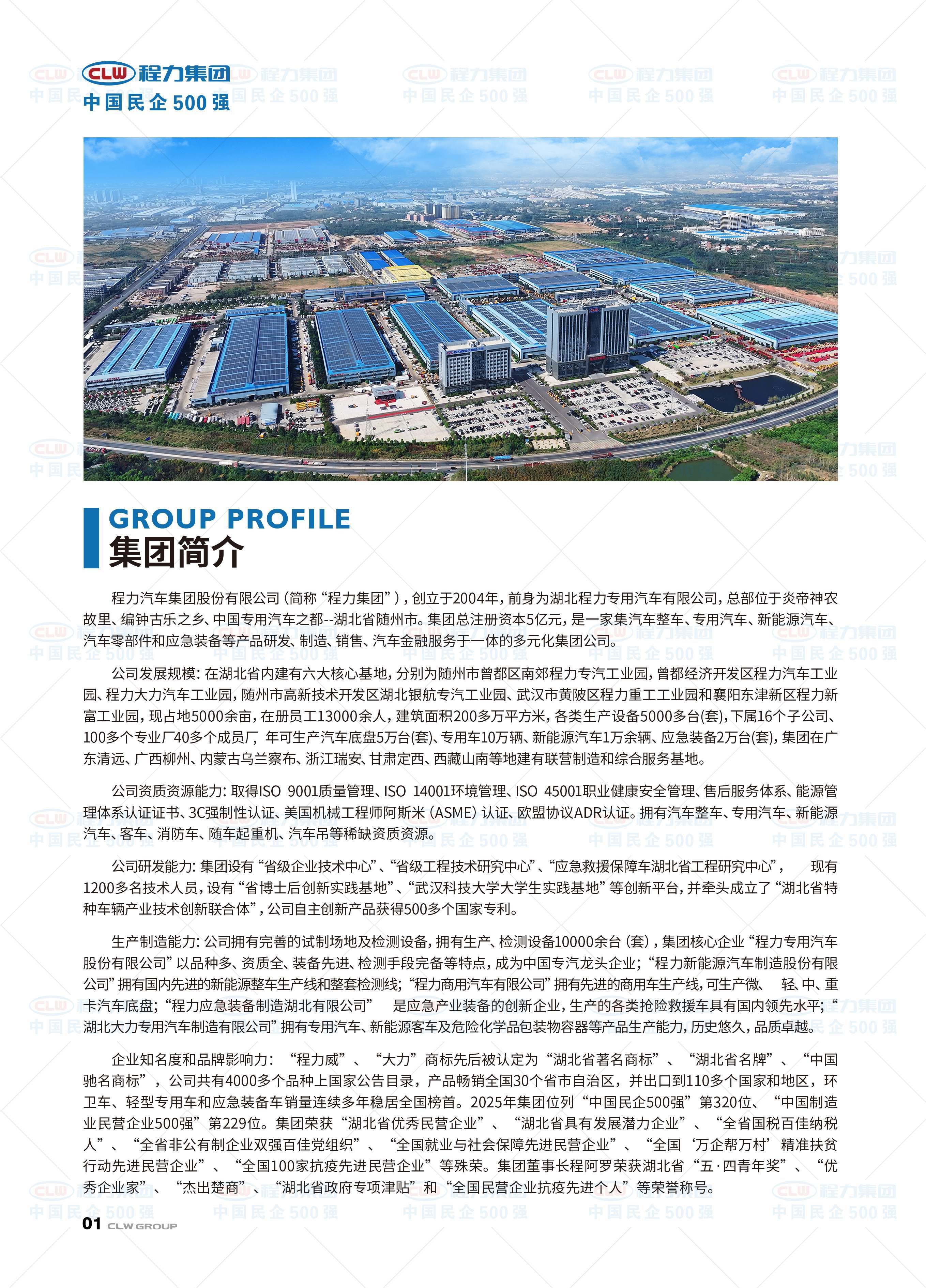
Chengli Automobile Group (CLW Group) traces its origins to 2004 in Suizhou, Hubei, a Chinese centre for special-purpose vehicles. The group's 2026 corporate profile describes operations spanning vehicle and body manufacturing, new-energy vehicles, components and emergency equipment.
This English-language site focuses on the truck types international buyers most often need to compare: tankers, municipal and waste vehicles, fire-fighting trucks and construction vehicles. Each project starts with the work to be done—not just a headline capacity or a chassis badge.
CLW Group is the group brand. The exact manufacturing, contracting and exporting legal entities for a purchase should be confirmed in the quotation and order documents.
Group-level figures from the 2026 Chengli corporate brochure. They do not describe the specification, certification or availability of any individual truck.
See the manufacturing behind the name.
The brochure documents dedicated lines for municipal bodies, water vehicles, tankers, firefighting equipment, body fabrication and coating. Actual production route and factory depend on the model and order.
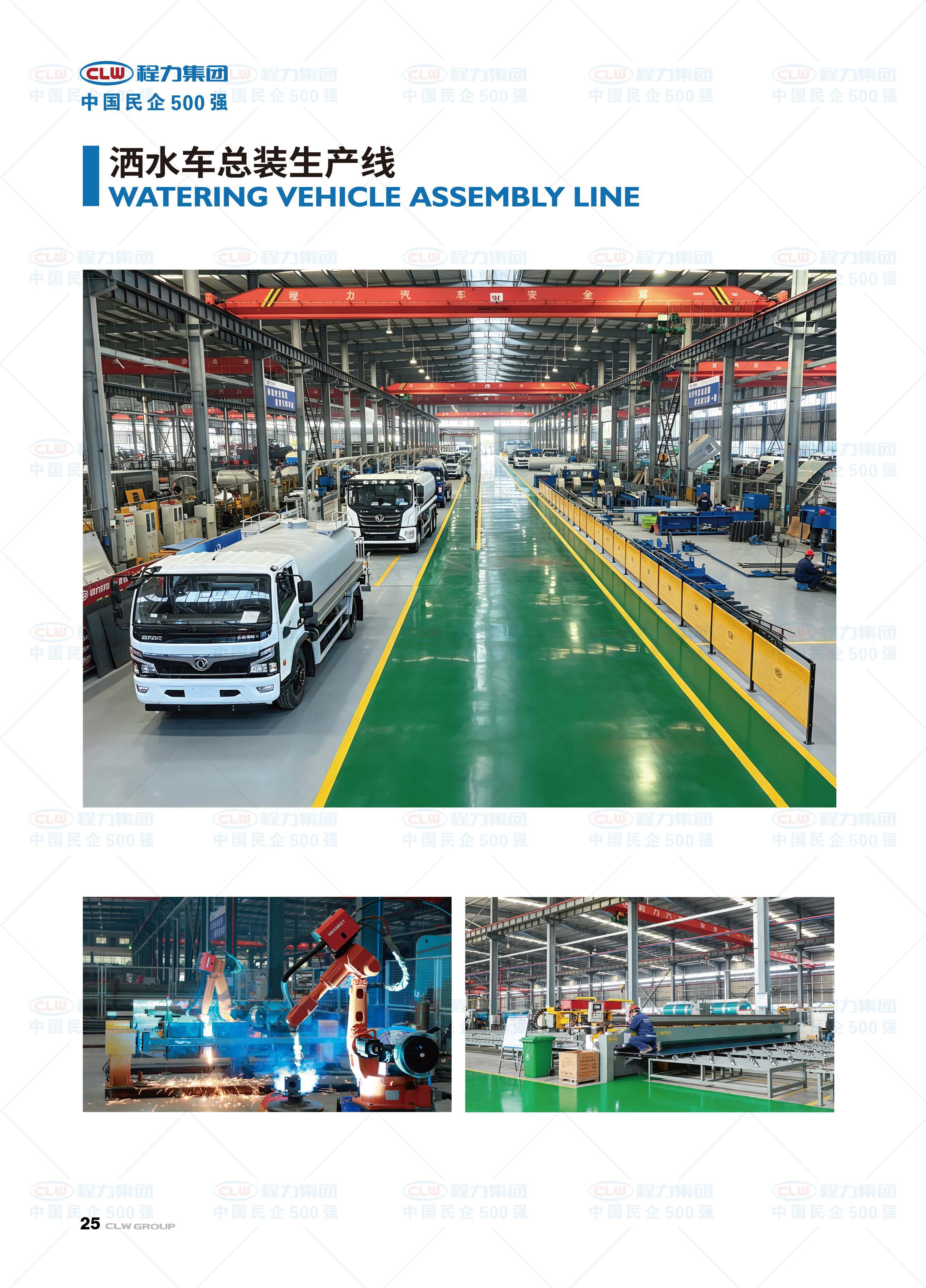
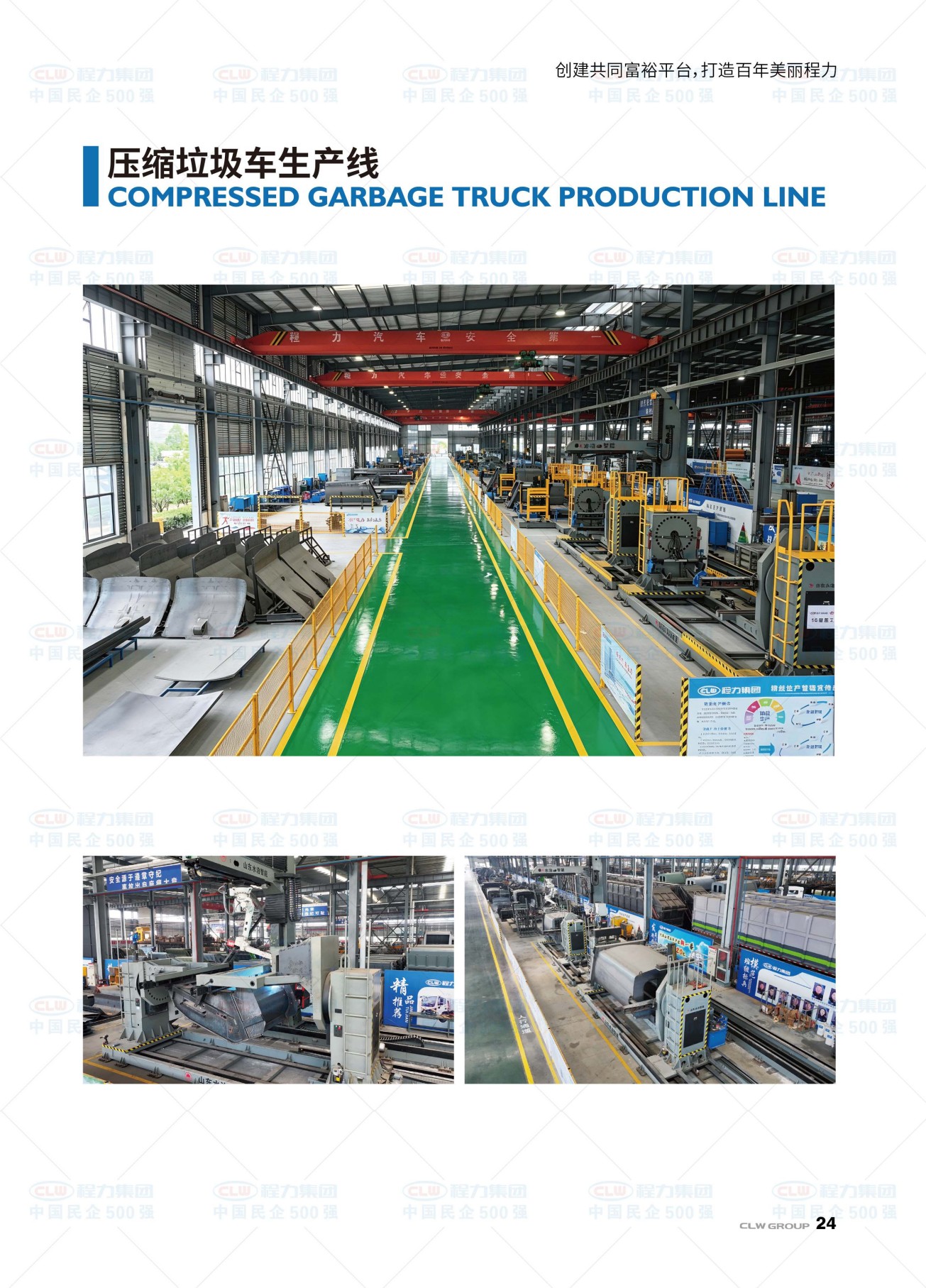
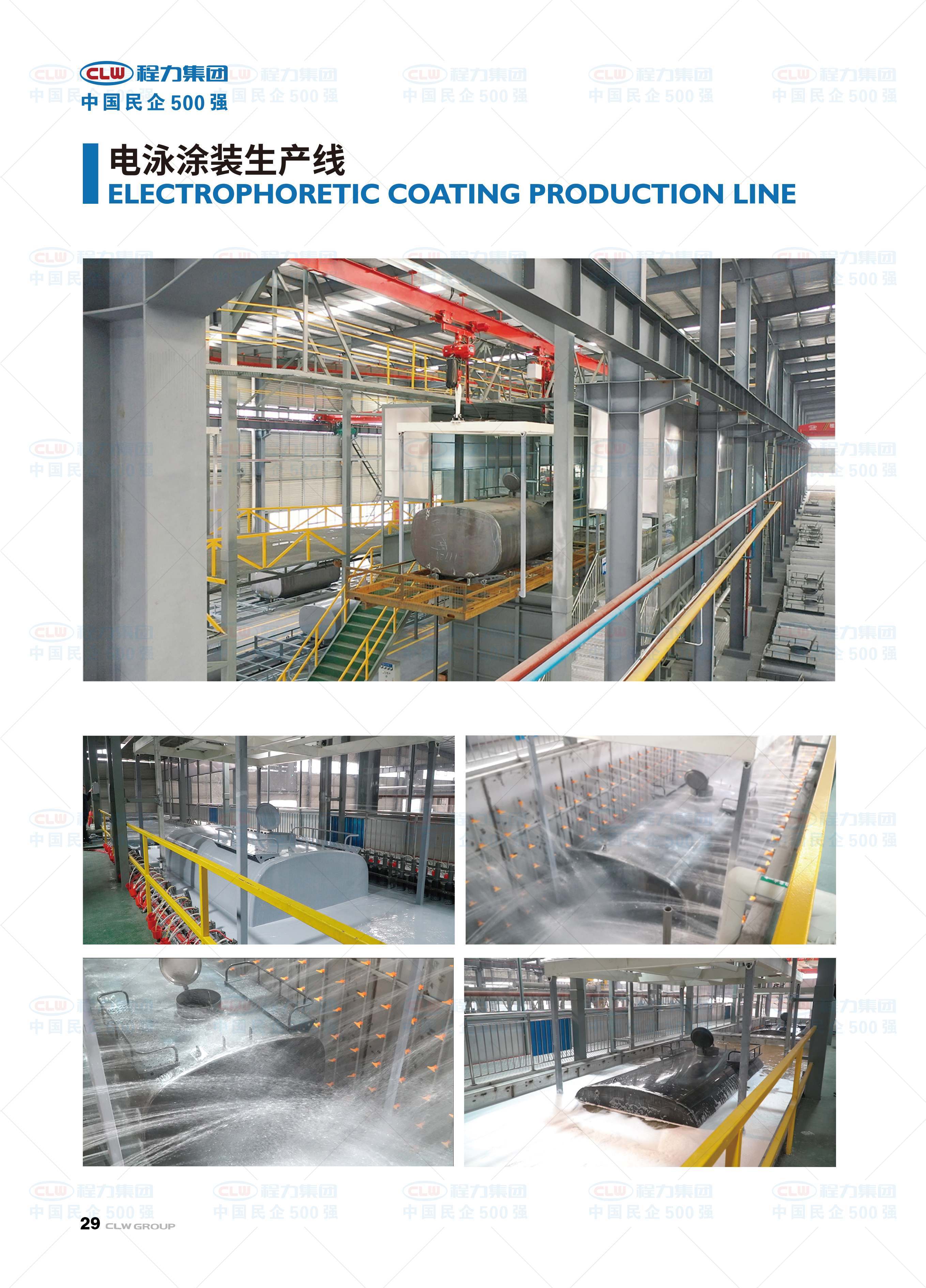
Factory images are reproduced from the supplied 2026 CLW Group profile. They illustrate group facilities, not necessarily the plant assigned to a specific order.
One group. Multiple working missions.
Our website is organised by the work a vehicle must perform, so buyers can compare relevant types before discussing chassis, capacity and operating systems.
Fuel & LPG
Tankers, refuelling trucks and gas-distribution vehicles.
Explore range ↗02Municipal services
Sewage evacuation, combination jetting, water and sweeping trucks.
Explore range ↗03Waste management
Compactors and hook-lift solutions for collection operations.
Explore range ↗04Fire response
Water-tender and foam fire-fighting vehicle options.
Explore range ↗05Construction
Tippers and truck-mounted cranes for site work.
Explore range ↗Define. Build. Check. Document.
Reliable procurement depends on matching the vehicle to the duty and agreeing what must be verified before it leaves the factory.
- Define the dutyPayload, route, operating environment, duty cycle and destination requirements.
- Confirm the configurationChassis, body, working system, safety equipment and optional components.
- Agree inspection pointsReview applicable drawings, product data and inspection scope for the actual order.
- Prepare the handoverConfirm available manuals, parts information and shipping documents in the contract.
Global manufacturing.
Local operating questions.
The group's 2026 profile reports exports to more than 100 countries and regions. For buyers in Nigeria and Ghana, the useful starting point is simpler: what will the truck carry or do, where will it work, which chassis can be supported locally, and what documents will the destination market require?
Share those inputs early. We can then discuss a suitable configuration and identify what still needs confirmation. Pricing, lead time, compliance and after-sales commitments are order-specific and should be established in writing.
Find your vehicle category ↗What does your next vehicle need to accomplish?
Explore the range, compare the working systems and bring a clear operating brief to the quotation stage.
Explore all trucks ↗